



Dot Studio
Academic Module
Complex Product Design
8 Weeks
2025

About
The project explored children’s food-related behaviour as a complex system, looking at how environmental, cultural, and psychological factors shape everyday habits. It examined the relationship between children, food, family, surroundings, and routines to identify opportunities for meaningful behavioural change.
Read more
Brief
Play, curiosity, and active participation can make learning more engaging for children. This project explored how step-by-step learning and gamification could encourage healthier eating habits through games, challenges, rewards, and simple routines.

Biological
Food provides the nutrients and energy needed for growth, development, and everyday functioning. Children’s food choices are also influenced by their changing nutritional and sensory needs.
Social
Food brings people together and forms part of family traditions, celebrations, and everyday interactions. Eating habits are often learned and shaped through the people and communities around us.
Psychological
Food is shaped by emotions, memories, habits, preferences, and personal experiences. What we eat can influence how we feel and how we connect with familiar routines.
Different Ways to Understand Food
At its core, food is any substance consumed to provide energy and nourishment. But beyond its biological function, food is also a language through which people express identity, values, beliefs, relationships, and different perspectives.
Potential Opoortunity Area
Community Building Through Food
Building Good Eating Habits Through Food
Fusing Technology with Traditional Food Practices
Centering the Project Around Children
Children are constantly learning from and adapting to their surroundings, making early experiences especially influential in shaping long-term behaviours. This led me to focus the project on children and how their relationship with food develops through everyday environments and experiences.
Read more
Research Thesis Derived from Observation and Interviews
Children’s food habits are shaped by more than taste and nutrition. Design interventions that combine gamification, shared experiences, and tactile interaction can make healthy food habits more desirable, repeatable, and emotionally meaningful.
😉
🫂
🥇
Engagement
Playfulness
Social Belonging
Schools already encourage positive food and environmental habits through activities such as eating more fruits and vegetables, celebrating Environment Day, growing plants, and conducting tree-planting workshops. These experiences help children understand the importance of plants and their role in everyday life.
Such practices can also nurture responsibility, mindfulness around eating, and awareness of sustainability and food waste. Building positive food habits early can encourage children to grow into more mindful, responsible, and empathetic individuals.


Little Bloomers
A playful gardening kit paired with a game designed to help children build healthy habits while developing an appreciation for food through hands-on growing and imaginative play.


Seed Pod Form Exploration
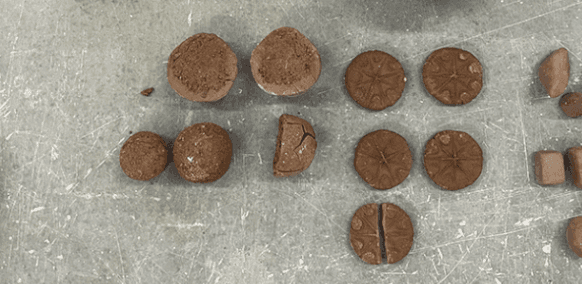
I experimented with natural clays to understand their strength, durability, and ability to return safely to the soil without disrupting its natural balance. The material tests helped identify a suitable clay-based option for creating biodegradable seed pods.
Hover Over the Seed pods to know more about them !!!



Insect-Inspired Forms
Inspired by insects found in nature, I simplified and softened their forms into friendly, playful shapes that feel approachable to children.


I made changes to my prototype after talking to kids about their preferences, including what most excited them, what colours and shapes of insects they liked, and how they interacted with the ceramic pieces.


